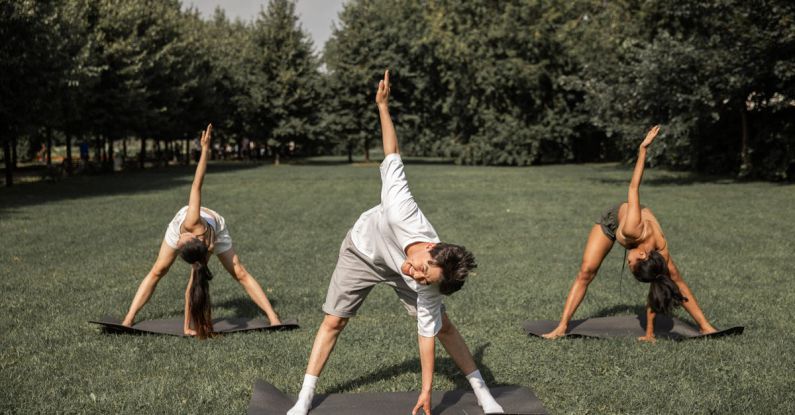
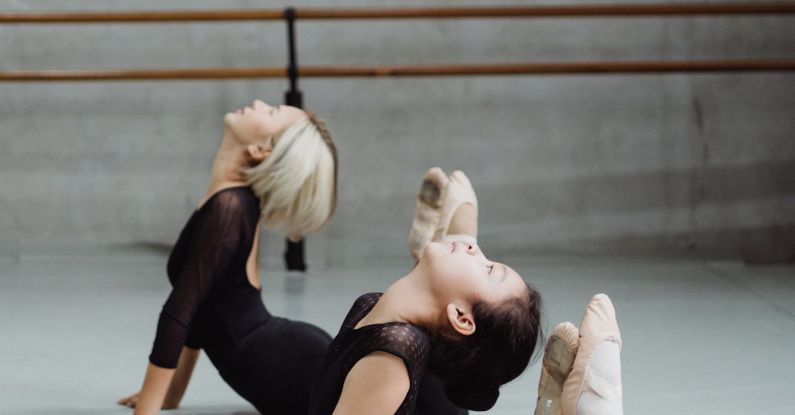
Embarking on a yoga journey as a beginner can be both exciting and intimidating. With its roots in ancient Indian philosophy, yoga offers a holistic approach to physical and mental well-being. If you are new to yoga and unsure where to start, this guide will provide you with the essential information and tips to help you ease into this transformative practice.
Understanding Yoga
Before delving into the physical postures (asanas) and breathing techniques (pranayama), it is crucial to understand the underlying principles of yoga. At its core, yoga is not just a form of exercise but a lifestyle that promotes balance, mindfulness, and self-awareness. The practice of yoga aims to unite the body, mind, and spirit, fostering a sense of harmony and inner peace.
Choosing the Right Style
Yoga comes in various styles, each with its unique focus and intensity. As a beginner, it is essential to explore different styles to find the one that resonates with you. Hatha yoga, known for its gentle pace and emphasis on alignment, is an excellent starting point for beginners. Vinyasa yoga, with its flowing sequences and breath-to-movement connection, offers a more dynamic experience. Restorative yoga focuses on relaxation and deep stretching, making it ideal for those seeking a soothing practice.
Setting Up Your Practice Space
Creating a dedicated space for your yoga practice can enhance your experience and motivation. Choose a quiet and clutter-free area where you can roll out your mat comfortably. Decorate your space with items that inspire you, such as candles, incense, or soothing music. Having a designated yoga space will help you establish a routine and cultivate a sense of mindfulness during your practice.
Basic Equipment
While yoga requires minimal equipment, having a few essential items can enhance your practice. A quality yoga mat provides cushioning and traction during poses, preventing slips and injuries. Comfortable clothing that allows for ease of movement is essential for a distraction-free practice. Props such as blocks, straps, and bolsters can assist beginners in achieving proper alignment and adapting poses to their individual needs.
Breath Awareness
One of the fundamental aspects of yoga is breath awareness. In yoga, the breath acts as a bridge between the body and mind, helping to cultivate mindfulness and focus. Throughout your practice, pay attention to your breath, inhaling deeply through the nose and exhaling slowly through the mouth. Coordinating your movements with your breath can enhance the flow of energy and create a sense of fluidity in your practice.
Starting with Basic Poses
As a beginner, it is essential to start with basic poses that build strength, flexibility, and body awareness. Some foundational poses to explore include Mountain Pose (Tadasana), Downward-Facing Dog (Adho Mukha Svanasana), Warrior I (Virabhadrasana I), and Child’s Pose (Balasana). Remember to listen to your body and not push yourself beyond your limits. Yoga is a non-competitive practice, and progress is measured by your personal growth and self-awareness.
Guided Practices
To deepen your understanding of yoga and refine your practice, consider attending classes or following online tutorials led by experienced instructors. Guided practices can provide valuable instruction, alignment cues, and modifications tailored to your level. Additionally, practicing with a community can offer support, motivation, and a sense of connection to like-minded individuals on the same journey.
Mindfulness and Self-Care
Beyond the physical benefits, yoga offers a pathway to mental clarity, emotional balance, and self-care. Incorporate mindfulness practices such as meditation, gratitude journaling, or self-reflection into your routine to cultivate a sense of inner peace and self-awareness. Remember that yoga is a personal journey, and it is essential to honor your body, mind, and spirit throughout the process.
Embracing the Journey
As you embark on your yoga journey as a beginner, approach the practice with an open mind, curiosity, and compassion towards yourself. Embrace the challenges and celebrate the small victories along the way. Yoga is not just about perfecting poses but about the journey of self-discovery, growth, and transformation. Trust in the process, stay committed to your practice, and allow yourself to evolve both on and off the mat.
Incorporating Yoga into Your Lifestyle
As you progress in your yoga practice, consider integrating its principles into your daily life. Cultivate mindfulness in your interactions, make conscious choices that support your well-being, and prioritize self-care practices that nourish your body, mind, and spirit. Yoga is not just a practice but a way of life that can empower you to live authentically, mindfully, and joyfully.
Embracing the Yoga Lifestyle
As you deepen your yoga practice and incorporate its principles into your daily life, you may find yourself embracing the yoga lifestyle wholeheartedly. This lifestyle encompasses more than just physical postures; it involves mindful eating, conscious living, and compassionate relationships. By aligning your thoughts, words, and actions with the principles of yoga, you can cultivate a sense of harmony, balance, and well-being in all aspects of your life.
In conclusion, yoga for beginners is a transformative journey that offers a holistic approach to physical, mental, and spiritual well-being. By understanding the foundational principles of yoga, exploring different styles, setting up a dedicated practice space, and starting with basic poses, beginners can embark on a rewarding path of self-discovery and growth. Through breath awareness, guided practices, mindfulness, and self-care, individuals can cultivate a deeper connection to themselves and the world around them. Embrace the yoga lifestyle as a journey of self-love, authenticity, and inner peace, and let your practice on the mat extend into every aspect of your life.