Learning to paint can be a rewarding and relaxing hobby for beginners. Whether you are interested in acrylics, watercolors, or oils, mastering basic painting techniques is essential to create beautiful artwork. By understanding the fundamental principles and practicing regularly, you can improve your skills and unleash your creativity on the canvas. In this article, we will explore some valuable painting techniques that can help beginners develop their artistic abilities and enhance their painting experience.
Choosing the Right Materials
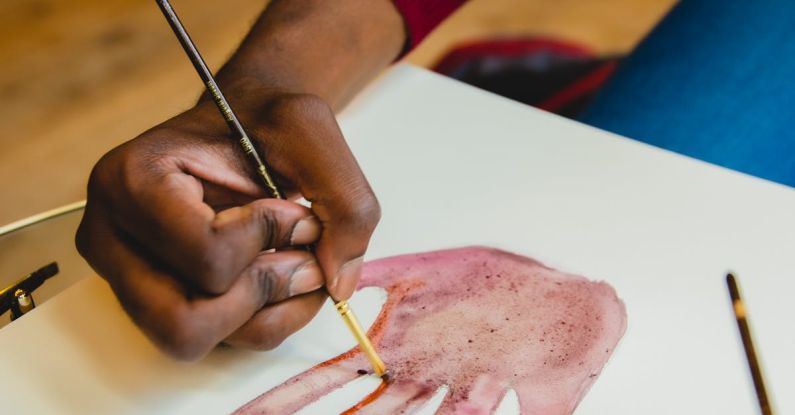
Before you start painting, it is important to gather the necessary materials. Investing in quality brushes, paints, and canvases can make a significant difference in your artwork. Depending on the type of paint you prefer, ensure you have the appropriate supplies for your chosen medium. Acrylic paints are versatile and dry quickly, making them ideal for beginners. Watercolors are transparent and vibrant, while oils offer rich, deep colors and blendability. Experiment with different materials to find what works best for you.
Understanding Color Theory
Color theory is an essential aspect of painting that can greatly impact the overall look of your artwork. Learning about the color wheel and how colors interact with each other can help you create harmonious compositions. Primary colors (red, blue, and yellow) can be mixed to create secondary colors (orange, green, and purple), while complementary colors (opposite on the color wheel) can be used to create contrast and visual interest. Experiment with different color combinations to see how they affect the mood and atmosphere of your paintings.
Mastering Brush Techniques
Brushes are the primary tools used in painting, and mastering different brush techniques can greatly enhance your artwork. Experiment with various brush sizes and shapes to create different effects on the canvas. Practice using techniques such as stippling, blending, dry brushing, and glazing to add texture and depth to your paintings. Remember to clean your brushes thoroughly after each painting session to maintain their quality and longevity.
Creating Depth and Perspective
Creating depth and perspective in your paintings can make them more dynamic and visually appealing. Experiment with techniques such as atmospheric perspective (using lighter colors for distant objects), linear perspective (creating the illusion of depth using converging lines), and overlapping objects to create a sense of space in your artwork. Practice observing how light and shadow interact to add dimension to your paintings and make them more realistic.
Exploring Different Painting Styles
As a beginner, it is important to experiment with different painting styles to find what resonates with you. Whether you prefer realism, abstract, impressionism, or other styles, exploring various techniques can help you discover your unique artistic voice. Take inspiration from master painters, art books, and online resources to learn about different styles and techniques. Remember that art is subjective, and there are no right or wrong ways to express yourself on the canvas.
Embracing Mistakes and Learning from Them
Making mistakes is a natural part of the learning process, and it is important not to get discouraged by them. Embrace your mistakes as opportunities to learn and improve your skills. Analyze what went wrong in your painting and think about how you can approach it differently next time. Remember that every artist faces challenges, and perseverance is key to mastering painting techniques. Practice regularly, seek feedback from other artists, and stay open to new ideas and techniques.
Finding Inspiration and Developing a Routine
Finding inspiration for your artwork can help fuel your creativity and motivation to paint. Whether you draw inspiration from nature, everyday life, or other artists, surround yourself with things that spark your imagination. Developing a painting routine and setting aside dedicated time for creating art can help you stay consistent and make progress in your artistic journey. Experiment with different painting techniques, subjects, and styles to keep your creativity flowing and continue growing as an artist.
In conclusion,
Painting techniques for beginners are a valuable foundation for developing your artistic skills and creating beautiful artwork. By choosing the right materials, understanding color theory, mastering brush techniques, creating depth and perspective, exploring different painting styles, embracing mistakes, finding inspiration, and developing a routine, you can enhance your painting experience and unleash your creativity on the canvas. Remember that practice and patience are key to improving your skills, so keep painting and experimenting with new techniques to discover your unique artistic style.