Sewing your own clothes can be a rewarding and empowering experience. Not only does it give you the opportunity to express your creativity and individual style, but it also allows you to customize your wardrobe to fit your unique measurements and preferences. Whether you are a beginner or an experienced seamstress, creating your own garments can be a fulfilling and enjoyable endeavor. In this article, we will explore the steps and tips on how to sew your own clothes.
Choosing the Right Fabric
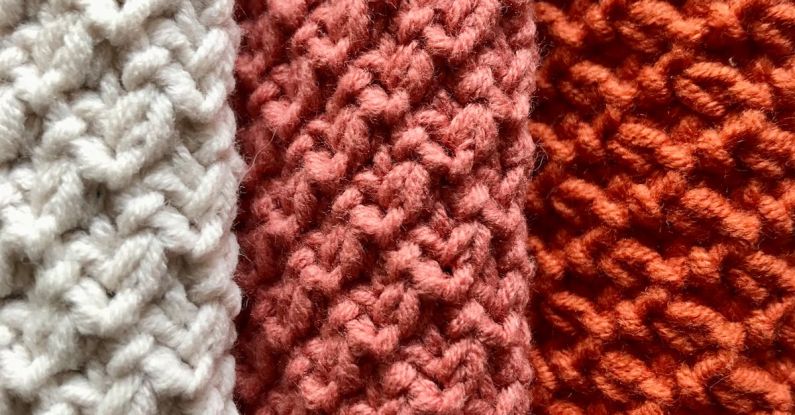
Selecting the right fabric is crucial when it comes to sewing your own clothes. Consider the drape, weight, and stretch of the fabric to ensure that it will work well for the garment you have in mind. Different fabrics have different properties, so it’s important to choose one that will complement the design and style of your clothing piece. Additionally, make sure to prewash your fabric before cutting and sewing to prevent any shrinkage after the garment is completed.
Finding the Perfect Pattern
Once you have chosen your fabric, the next step is to find a pattern that suits your skill level and desired garment. Patterns come in a variety of styles and sizes, so it’s important to select one that aligns with your sewing abilities. Beginners may want to start with simple patterns such as skirts or tops, while more experienced sewers can try their hand at more complex designs like dresses or jackets. Make sure to carefully read and follow the instructions provided with the pattern to ensure a successful sewing project.
Taking Accurate Measurements
Before cutting into your fabric, it’s essential to take accurate measurements of your body to ensure a proper fit. Use a flexible tape measure to measure your bust, waist, hips, and other relevant areas according to the pattern’s sizing guide. It’s also helpful to have someone assist you with taking measurements to ensure accuracy. Making a muslin mock-up of the garment can also help you make any necessary adjustments before cutting into your final fabric.
Cutting and Sewing
Once you have your fabric, pattern, and measurements ready, it’s time to start cutting and sewing your garment. Lay out your fabric on a flat surface, following the grain line indicated on the pattern. Pin the pattern pieces onto the fabric and carefully cut around them, making sure to transfer any markings such as notches or darts. Take your time when sewing the garment together, following the pattern instructions step by step. Press your seams as you go to create a polished and professional finish.
Adding Personal Touches
One of the joys of sewing your own clothes is the ability to add personal touches and customizations to your garments. Consider embellishments such as embroidery, appliqué, or decorative topstitching to make your clothing piece uniquely yours. Experiment with different finishes like bias binding or French seams to elevate the look of your garment. Adding these personal touches can take your handmade clothing to the next level and showcase your creativity.
Caring for Your Handmade Clothes
After completing your sewing project, it’s important to properly care for your handmade clothes to ensure their longevity. Always read the care instructions on the fabric label and follow them accordingly. Handwashing delicate fabrics or using a gentle cycle on your washing machine can help preserve the quality of your garments. Hang or lay flat to dry to prevent stretching or distortion. Proper care will keep your handmade clothes looking beautiful for years to come.
In conclusion, sewing your own clothes is a fulfilling and enjoyable pursuit that allows you to express your creativity and individuality. By choosing the right fabric, finding the perfect pattern, taking accurate measurements, and adding personal touches, you can create unique and stylish garments that fit you perfectly. With practice and patience, you can hone your sewing skills and build a wardrobe full of handmade treasures that reflect your personal style and flair. So, gather your materials, thread your needle, and start sewing your own clothes today!