
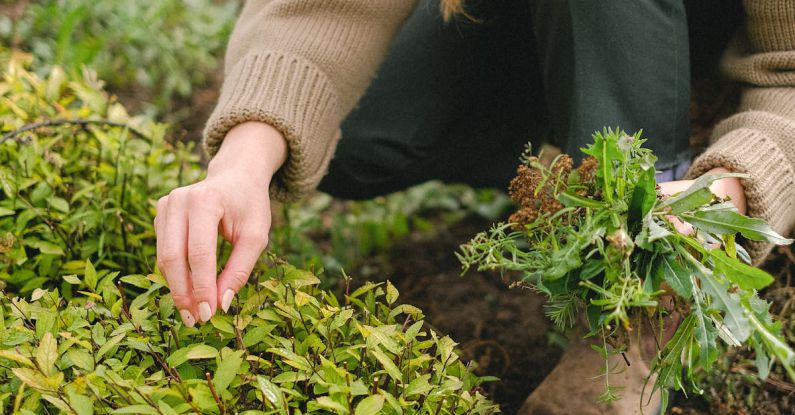
Maintaining a garden can be a rewarding and enjoyable experience, but it also requires effort and dedication to keep it looking its best. With the right strategies and consistent care, you can ensure that your garden remains healthy and thriving throughout the year. Here are some practical tips to help you maintain a beautiful garden that you can enjoy all season long.
Choose the Right Plants
One of the most important aspects of garden maintenance is selecting the right plants for your space. Consider factors such as sunlight exposure, soil type, and climate when choosing plants for your garden. Opt for native plants or species that are well-suited to your area to ensure they thrive with minimal intervention. By selecting the right plants from the start, you can reduce the need for excessive maintenance and help your garden flourish naturally.
Water Wisely
Proper watering is essential for the health of your plants and the overall appearance of your garden. Water your plants deeply but infrequently to encourage deep root growth and drought tolerance. Consider investing in a soaker hose or drip irrigation system to deliver water directly to the roots of your plants, minimizing evaporation and water waste. Be mindful of the specific watering needs of each plant species and adjust your watering schedule accordingly to prevent overwatering or underwatering.
Mulch for Moisture and Weed Control
Mulching is a simple yet effective way to conserve moisture, suppress weeds, and improve the overall health of your garden. Apply a layer of organic mulch, such as wood chips, straw, or shredded leaves, around your plants to help retain soil moisture and regulate soil temperature. Mulch also helps to prevent weed growth by blocking sunlight and inhibiting weed germination. Regularly replenish the mulch layer to maintain its effectiveness and promote a healthy growing environment for your plants.
Prune Regularly
Pruning is an essential garden maintenance task that helps to promote plant health, control growth, and enhance the appearance of your garden. Regularly prune dead or damaged branches to prevent disease and improve air circulation within the plant canopy. Use sharp, clean tools to make precise cuts and avoid tearing or damaging the plant tissue. Pruning also helps to shape plants, encourage flowering, and maintain a neat and tidy appearance in your garden.
Fertilize Appropriately
Proper fertilization is key to providing essential nutrients to your plants and supporting healthy growth and blooming. Conduct a soil test to determine the nutrient levels in your soil and select a suitable fertilizer based on the specific needs of your plants. Apply fertilizer in the recommended amounts and at the appropriate times to avoid overfertilization, which can harm plants and contribute to nutrient runoff. Consider using organic fertilizers or compost to provide a slow-release source of nutrients and improve soil structure over time.
Pest and Disease Management
Regular monitoring and early intervention are crucial for preventing pest infestations and disease outbreaks in your garden. Inspect your plants regularly for signs of pests, such as chewed leaves, holes, or discoloration, and take appropriate measures to control them. Use natural predators, traps, or organic insecticides to manage pest populations while minimizing harm to beneficial insects and wildlife. Practice good garden hygiene by removing diseased plant material and maintaining clean tools to prevent the spread of diseases.
Create a Relaxing Outdoor Space
In addition to maintaining the health and appearance of your garden, consider creating a relaxing outdoor space where you can unwind and enjoy nature. Add comfortable seating, decorative elements, and lighting to enhance the ambiance of your garden and make it a welcoming retreat. Incorporate fragrant plants, such as lavender or jasmine, to stimulate the senses and create a peaceful environment. Regularly spend time in your garden to appreciate its beauty, connect with nature, and reap the mental and emotional benefits of gardening.
Embrace Sustainable Practices
To minimize your environmental impact and promote long-term sustainability in your garden, embrace eco-friendly practices such as composting, water conservation, and natural pest control methods. Use rain barrels to collect and store rainwater for irrigation, compost kitchen scraps and yard waste to create nutrient-rich soil amendments, and plant native species to support local wildlife and biodiversity. By adopting sustainable gardening practices, you can reduce resource consumption, support ecosystem health, and cultivate a vibrant and resilient garden that thrives for years to come.
Maintaining a beautiful garden requires time, effort, and attention to detail, but the rewards of a flourishing outdoor space are well worth it. By following these garden maintenance tips and incorporating sustainable practices into your routine, you can create a vibrant, healthy, and enjoyable garden that brings you joy and satisfaction throughout the seasons. With thoughtful planning, regular care, and a love for gardening, you can cultivate a stunning outdoor oasis that enhances your home and enriches your life.