
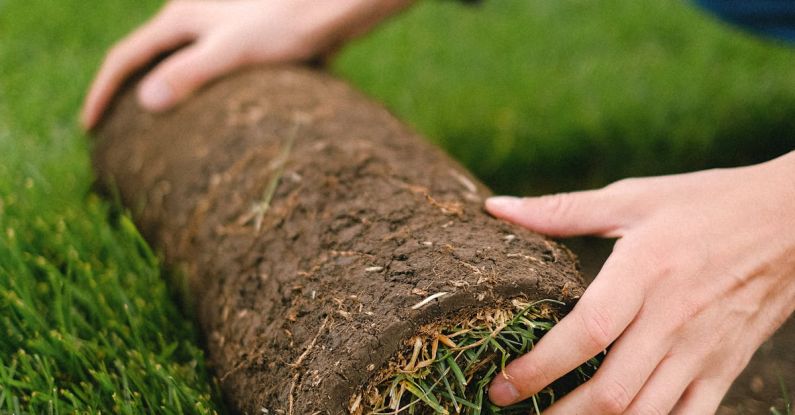
A well-maintained lawn can enhance the beauty of your home and provide a peaceful space for relaxation and recreation. However, achieving and maintaining a lush, green lawn requires consistent effort and proper care. From mowing to watering, fertilizing to weeding, there are several key practices that can help you keep your lawn in top condition throughout the year.
Mowing Techniques
Mowing is a crucial aspect of lawn maintenance that directly impacts the health and appearance of your grass. To maintain a healthy lawn, it’s essential to mow regularly but avoid cutting the grass too short. Set your mower blade at the appropriate height for the type of grass you have, as cutting it too short can weaken the grass and make it more susceptible to diseases and pests. Additionally, vary your mowing pattern each time to prevent soil compaction and ensure even growth.
Watering Wisely
Proper watering is essential for a healthy lawn, but it’s important to water wisely to avoid overwatering or underwatering. Water your lawn deeply and infrequently to encourage deep root growth and drought tolerance. Early morning is the best time to water your lawn, as it allows the grass to dry before evening, reducing the risk of fungal diseases. Use a rain gauge to monitor how much water your lawn is receiving and adjust your watering schedule accordingly based on weather conditions.
Fertilizing for Nutrient-Rich Soil
Fertilizing your lawn is essential for providing the necessary nutrients for healthy growth. Choose a high-quality fertilizer specifically formulated for your type of grass and apply it according to the manufacturer’s instructions. It’s best to fertilize in the spring and fall when the grass is actively growing to promote strong roots and lush foliage. Avoid overfertilizing, as it can lead to excessive growth, thatch buildup, and nutrient runoff, which can harm the environment.
Weeding Out Unwanted Guests
Weeds can quickly take over a lawn if left unchecked, competing with grass for nutrients, water, and sunlight. Regularly inspect your lawn for weeds and remove them promptly to prevent them from spreading. Consider using manual removal, herbicides, or natural weed control methods to effectively manage weeds without harming your grass. Maintaining a thick, healthy lawn through proper mowing, watering, and fertilizing can also help prevent weed infestations by creating less space for weeds to thrive.
Aerating for Improved Soil Quality
Over time, the soil in your lawn can become compacted, limiting the flow of air, water, and nutrients to the roots of your grass. Aerating your lawn helps alleviate soil compaction and promotes better root growth, leading to a healthier and more resilient lawn. Consider aerating your lawn once a year using a core aerator to create small holes in the soil, allowing for better water infiltration and root development.
Dealing with Pests and Diseases
Pests and diseases can wreak havoc on your lawn if left untreated, causing damage to your grass and compromising its health. Keep an eye out for signs of pests such as grubs, chinch bugs, or fungal diseases like brown patch or dollar spot, and take appropriate measures to address the issue. Consider using natural pest control methods or consulting with a professional if you’re unsure how to effectively manage pest and disease problems in your lawn.
Wrapping Up
Maintaining a healthy and vibrant lawn requires dedication and consistent effort, but the rewards of a lush, green expanse of grass are well worth it. By following proper mowing techniques, watering wisely, fertilizing for nutrient-rich soil, weeding out unwanted guests, aerating for improved soil quality, and dealing with pests and diseases promptly, you can keep your lawn looking its best year-round. With a little care and attention, you can enjoy a beautiful lawn that enhances the curb appeal of your home and provides a peaceful retreat for you and your family to enjoy.