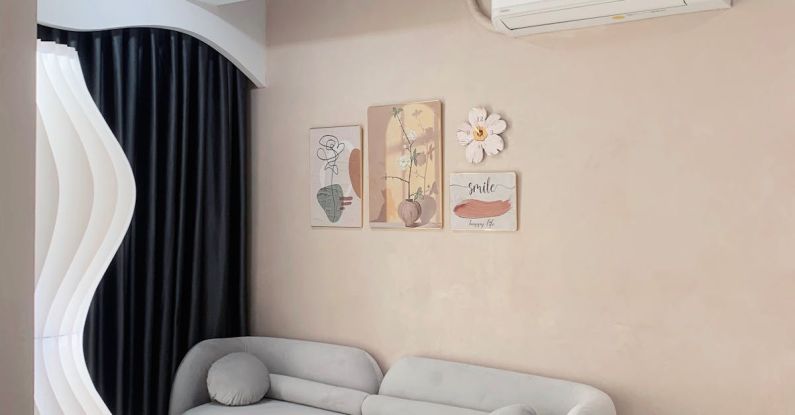

When it comes to redecorating your home or refreshing a room, choosing the right paint colors can make a significant impact on the overall look and feel of the space. The colors you select can influence the mood, ambiance, and even the perceived size of a room. With a plethora of options available, it can be overwhelming to decide on the perfect palette. However, by considering certain factors and following some simple guidelines, you can confidently choose the right paint colors to enhance your living space.
Understanding Color Psychology
Color psychology plays a crucial role in interior design, as different colors can evoke various emotions and feelings. Before selecting paint colors, it is essential to understand the psychological effects that different hues can have on a room. For example, warm colors like red, orange, and yellow are known to create a cozy and inviting atmosphere, making them ideal for living rooms or dining areas. On the other hand, cool colors such as blue, green, and purple have a calming effect and are suitable for bedrooms or home offices. By considering the function of the room and the mood you want to create, you can narrow down your color choices effectively.
Harmonizing with Existing Elements
When choosing paint colors, it is essential to consider the existing elements in the room, such as furniture, flooring, and decor. Selecting colors that complement or contrast with these elements can create a cohesive and visually appealing space. For instance, if you have a neutral-colored sofa, you can choose a bold accent wall to add a pop of color without overwhelming the room. Alternatively, if your furniture is already vibrant, opting for a more subtle wall color can help balance the overall look. By harmonizing the paint colors with the existing elements in the room, you can achieve a harmonious and well-coordinated design.
Considering Natural Light
Natural light can significantly impact the way paint colors appear in a room. Rooms that receive ample natural light tend to make colors look brighter and more vibrant, while spaces with limited light may cause colors to appear darker or dull. Before finalizing your paint colors, it is crucial to consider the orientation of the room and the amount of natural light it receives throughout the day. For rooms that face north or receive little sunlight, choosing lighter shades can help brighten the space and make it feel more inviting. Conversely, in rooms that receive plenty of sunlight, you can experiment with deeper hues to create a cozy and intimate atmosphere.
Creating Visual Flow
Creating visual flow throughout your home is essential for a cohesive and harmonious design. When selecting paint colors for different rooms, consider how each space connects to the next and aim for a seamless transition. Using a consistent color palette or coordinating complementary colors can help maintain a sense of continuity and flow from one room to another. Additionally, incorporating accents or accessories in coordinating colors can tie the different spaces together and create a unified look throughout your home. By thinking about the overall flow of color from room to room, you can create a cohesive and visually appealing interior design.
Selecting the Right Finish
In addition to choosing the perfect color, selecting the right finish for your paint is equally important. The finish of the paint can impact the overall look and durability of the walls. Matte finishes are ideal for hiding imperfections and creating a soft, velvety look, making them suitable for bedrooms and living rooms. Satin and eggshell finishes have a subtle sheen and are easy to clean, making them perfect for high-traffic areas like kitchens and bathrooms. For areas that require frequent cleaning, such as hallways or children’s rooms, a semi-gloss or gloss finish is recommended for its durability and washability. By selecting the appropriate finish for each room, you can ensure that your paint not only looks great but also stands the test of time.
Incorporating Personal Preferences
While it is essential to consider color psychology, existing elements, natural light, visual flow, and paint finishes, ultimately, your personal preferences should guide your color choices. Your home is a reflection of your personality and style, so don’t be afraid to experiment with different colors and combinations to create a space that truly feels like your own. Whether you prefer bold and vibrant hues or soft and soothing tones, incorporating colors that resonate with you will ensure that you feel comfortable and happy in your living environment. Trust your instincts and choose colors that make you feel inspired and energized to create a space that you’ll love coming home to.
Embracing Change
Choosing the right paint colors for your home is a creative and rewarding process that allows you to transform your living space and express your individuality. While it can be tempting to stick with safe and neutral colors, don’t be afraid to step out of your comfort zone and embrace change. Experimenting with different colors and combinations can lead to unexpected and beautiful results that enhance the aesthetic appeal of your home. Remember that paint is a versatile and cost-effective way to update and refresh your space, so don’t be afraid to get creative and have fun with your color choices. By embracing change and exploring new possibilities, you can create a home that is not only visually stunning but also reflects your unique style and personality.