
Embarking on a journey towards a balanced diet can seem overwhelming at first, but with the right approach, it can be a rewarding and sustainable lifestyle choice. A balanced diet is essential for overall health and well-being, providing the body with the necessary nutrients to function optimally. Whether you are looking to improve your eating habits, lose weight, or simply lead a healthier lifestyle, here are some practical tips on how to start a balanced diet.
Understanding the Basics
Before diving into the specifics of a balanced diet, it is crucial to understand the basic principles that guide healthy eating. A balanced diet consists of a variety of foods that provide essential nutrients such as vitamins, minerals, protein, carbohydrates, and fats in the right proportions. The key is to consume a diverse range of foods from all food groups to ensure you are meeting your body’s nutritional needs.
Focus on Whole Foods
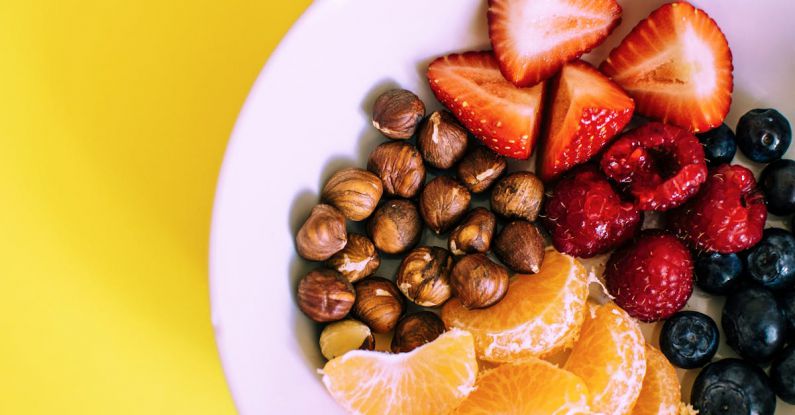
One of the fundamental pillars of a balanced diet is prioritizing whole, unprocessed foods. These foods are rich in nutrients and free from added sugars, unhealthy fats, and artificial additives. Incorporating plenty of fruits, vegetables, whole grains, lean proteins, and healthy fats into your meals will not only help you meet your nutritional requirements but also support overall health and well-being.
Portion Control
While the quality of food is essential, so is the quantity. Portion control plays a significant role in maintaining a balanced diet. It is crucial to be mindful of portion sizes to prevent overeating and ensure that you are consuming the right amount of nutrients. Using smaller plates, measuring portions, and paying attention to hunger and fullness cues can help you manage your portions effectively.
Stay Hydrated
Hydration is often overlooked but is a critical component of a balanced diet. Water is essential for various bodily functions, including digestion, nutrient absorption, and temperature regulation. Aim to drink an adequate amount of water throughout the day, and consider incorporating hydrating foods such as fruits and vegetables into your meals to support hydration.
Plan Ahead
Meal planning is a valuable tool for establishing and maintaining a balanced diet. By planning your meals in advance, you can ensure that you have nutritious options readily available, making it easier to make healthy choices. Consider creating a weekly meal plan, preparing meals in advance, and having healthy snacks on hand to avoid impulsive and unhealthy food choices.
Incorporate Variety
Eating a variety of foods is key to a balanced diet as it helps ensure that you are getting a wide range of nutrients. Aim to include foods from all food groups, experiment with different flavors and cuisines, and try new recipes to keep your meals interesting and enjoyable. Variety not only improves the nutritional quality of your diet but also prevents boredom and monotony.
Listen to Your Body
Listening to your body’s hunger and fullness cues is essential for maintaining a balanced diet. Eat when you are hungry and stop when you are satisfied, rather than relying on external cues or strict eating schedules. Pay attention to how different foods make you feel and adjust your diet accordingly to meet your body’s needs.
Maintaining a Balanced Diet
Achieving a balanced diet is not a one-time task but a continuous journey. It is essential to make sustainable changes that you can maintain in the long term. Be patient with yourself, focus on progress rather than perfection, and seek support from a healthcare provider or a nutrition professional if needed.
Embracing a balanced diet is a powerful step towards improving your health and well-being. By incorporating whole foods, practicing portion control, staying hydrated, planning ahead, incorporating variety, listening to your body, and maintaining your efforts, you can establish a sustainable and fulfilling relationship with food that nourishes both your body and mind. Start your journey towards a balanced diet today and reap the benefits of a healthier and happier lifestyle.