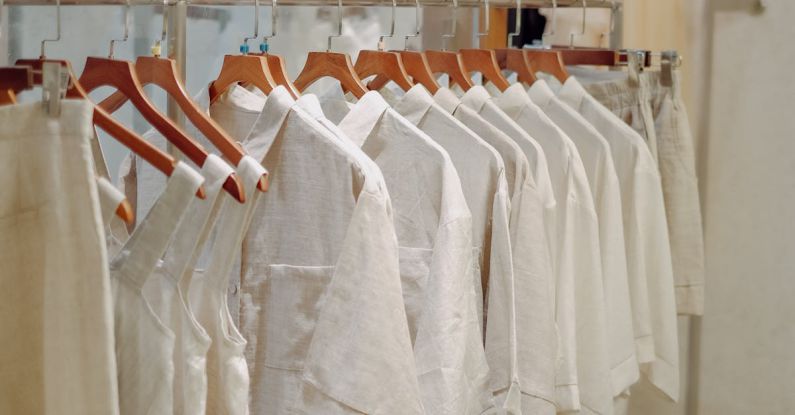

In today’s world, where environmental concerns are at the forefront of global conversations, the fashion industry is also making strides towards sustainability. Eco-friendly fashion brands have emerged as a response to the growing demand for clothing that is not only stylish but also ethical and environmentally conscious. These brands prioritize the use of sustainable materials, ethical production practices, and innovative design techniques to reduce their impact on the planet. Let’s delve into the world of eco-friendly fashion brands and discover some of the leading players in this growing industry.
**Sustainable Materials**
One of the key aspects that set eco-friendly fashion brands apart is their commitment to using sustainable materials. Instead of relying on conventional fabrics that are harmful to the environment, these brands opt for organic cotton, hemp, bamboo, and recycled materials. Organic cotton, for example, is grown without the use of synthetic pesticides and fertilizers, reducing the environmental impact of cotton cultivation. Hemp is another sustainable choice, as it requires less water and pesticides compared to traditional crops like cotton. Bamboo is a fast-growing plant that can be harvested sustainably, making it an eco-friendly alternative for clothing production. By prioritizing these materials, eco-friendly fashion brands are reducing their carbon footprint and promoting a more sustainable fashion industry.
**Ethical Production Practices**
In addition to using sustainable materials, eco-friendly fashion brands also prioritize ethical production practices. This means ensuring that the workers involved in the manufacturing process are treated fairly and paid a living wage. Many eco-friendly brands partner with factories that adhere to strict labor standards and provide safe working conditions for their employees. By supporting brands that prioritize ethical production practices, consumers can feel confident that their clothing was made in a socially responsible manner. Transparency in the supply chain is also essential for eco-friendly brands, as it allows consumers to trace the origins of their clothing and understand the environmental and social impact of their purchase.
**Innovative Design Techniques**
Eco-friendly fashion brands are not only conscious of the materials they use and how their clothing is produced but also focus on innovative design techniques to minimize waste. Many brands practice zero-waste design, where patterns are strategically created to ensure that no fabric is wasted during the production process. Upcycling and recycling are also common practices in eco-friendly fashion, where old garments or materials are repurposed into new pieces, reducing the need for virgin resources. By embracing these design techniques, eco-friendly fashion brands are challenging the traditional linear model of fashion production and promoting a more circular and sustainable approach to clothing design.
**Leading Eco-Friendly Fashion Brands**
Several eco-friendly fashion brands have been leading the way in sustainable and ethical fashion. Stella McCartney is known for her commitment to using vegetarian leather and sustainable materials in her designs, as well as her advocacy for animal rights in the fashion industry. Patagonia is another standout brand that prioritizes environmental and social responsibility, producing outdoor clothing with recycled materials and promoting fair labor practices in their supply chain. Everlane is renowned for its transparent pricing model and ethical production practices, offering minimalist essentials made from sustainable materials at accessible prices.
**In Conclusion**
Eco-friendly fashion brands are paving the way for a more sustainable and ethical fashion industry. By prioritizing sustainable materials, ethical production practices, and innovative design techniques, these brands are challenging the status quo and proving that fashion can be both stylish and environmentally conscious. As consumers become more aware of the impact of their clothing choices, supporting eco-friendly brands is a step towards a more sustainable future for the fashion industry.